Reconditioning critical water supply pumps around Lake Taupo
CASE STUDY: Water Supply Pump Overhaul — Lake Taupo Pumping Stations
Industry: Water Supply / Municipal Infrastructure Services: On-Site Decommissioning, Workshop Overhaul, Precision Machining, Dynamic Balancing, Reinstallation Equipment: Three Water Supply Pumps — Impeller Assemblies, Drive Shafts, Bearing Housings
The Situation
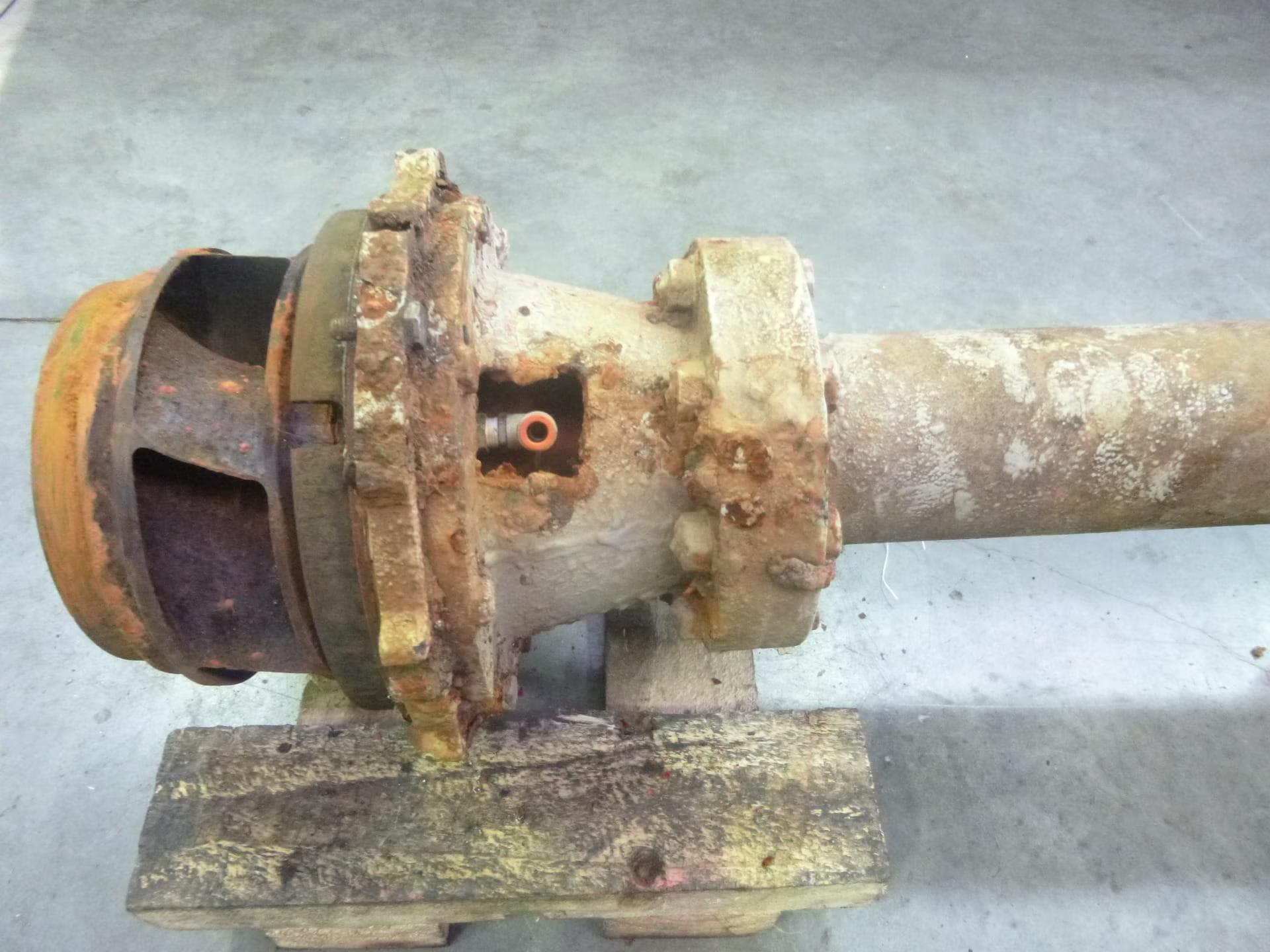
Qualtex was engaged to decommission, remove, and overhaul three water supply pumps operating across separate pumping stations around Lake Taupo. The units had been in service for an extended period, and visible corrosion on the metal exteriors along with evidence of impeller shaft support bearing wear indicated it was time for a thorough overhaul.
The Challenge
With three pumps across multiple remote sites, the logistical demands of the project were as significant as the technical ones. Each unit required individual assessment once stripped down, and the condition of components — particularly bearings and wear rings — would only be fully understood once the pumps were in the workshop. The client needed a cost-effective solution that extended the service life of existing assets rather than replacing them.
What Qualtex Did
Qualtex technicians decommissioned and removed all three pump assemblies from their respective sites and transported them to the Hamilton workshop. Each pump was dismantled and assessed individually before any repair decisions were made.
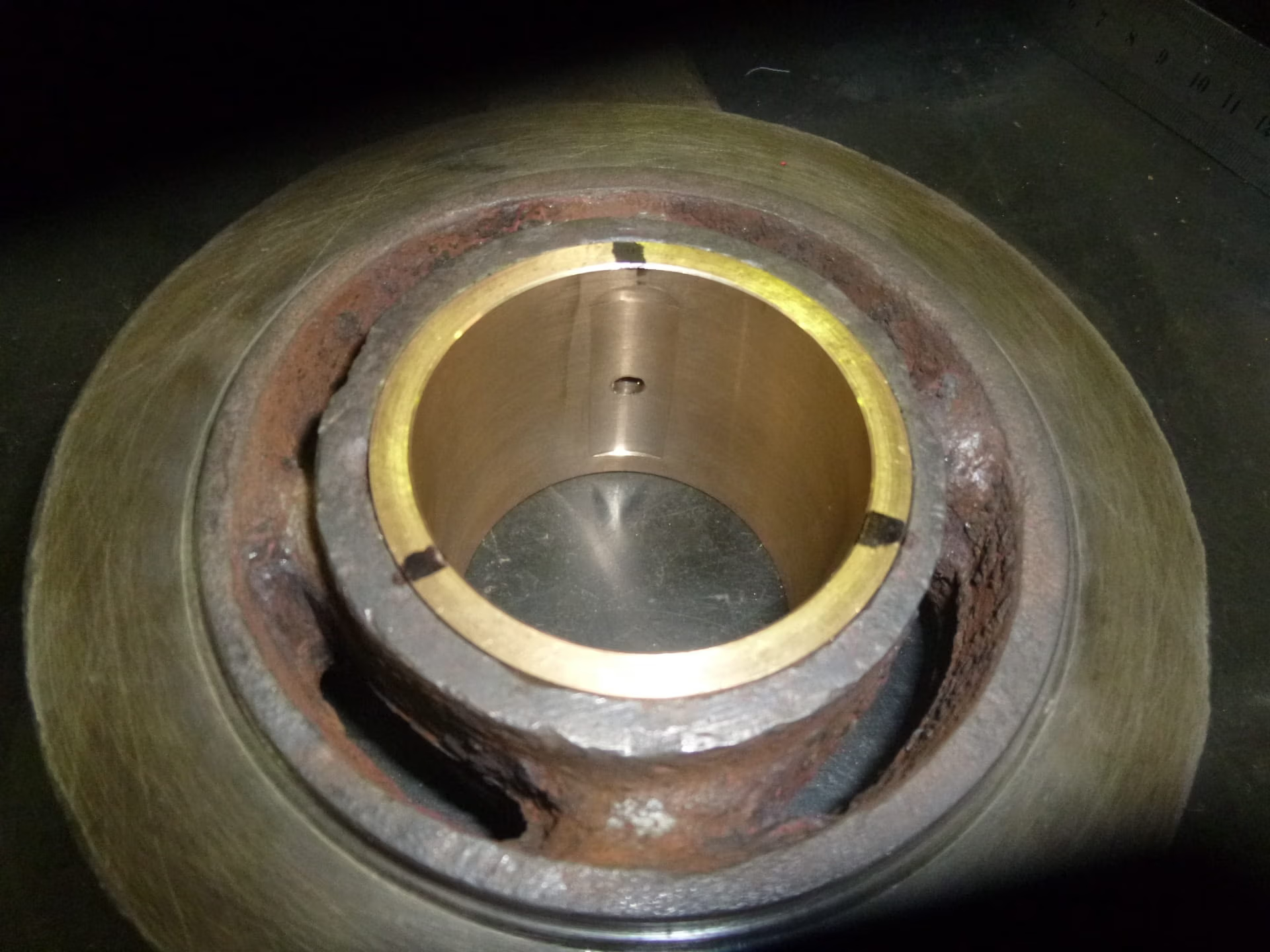
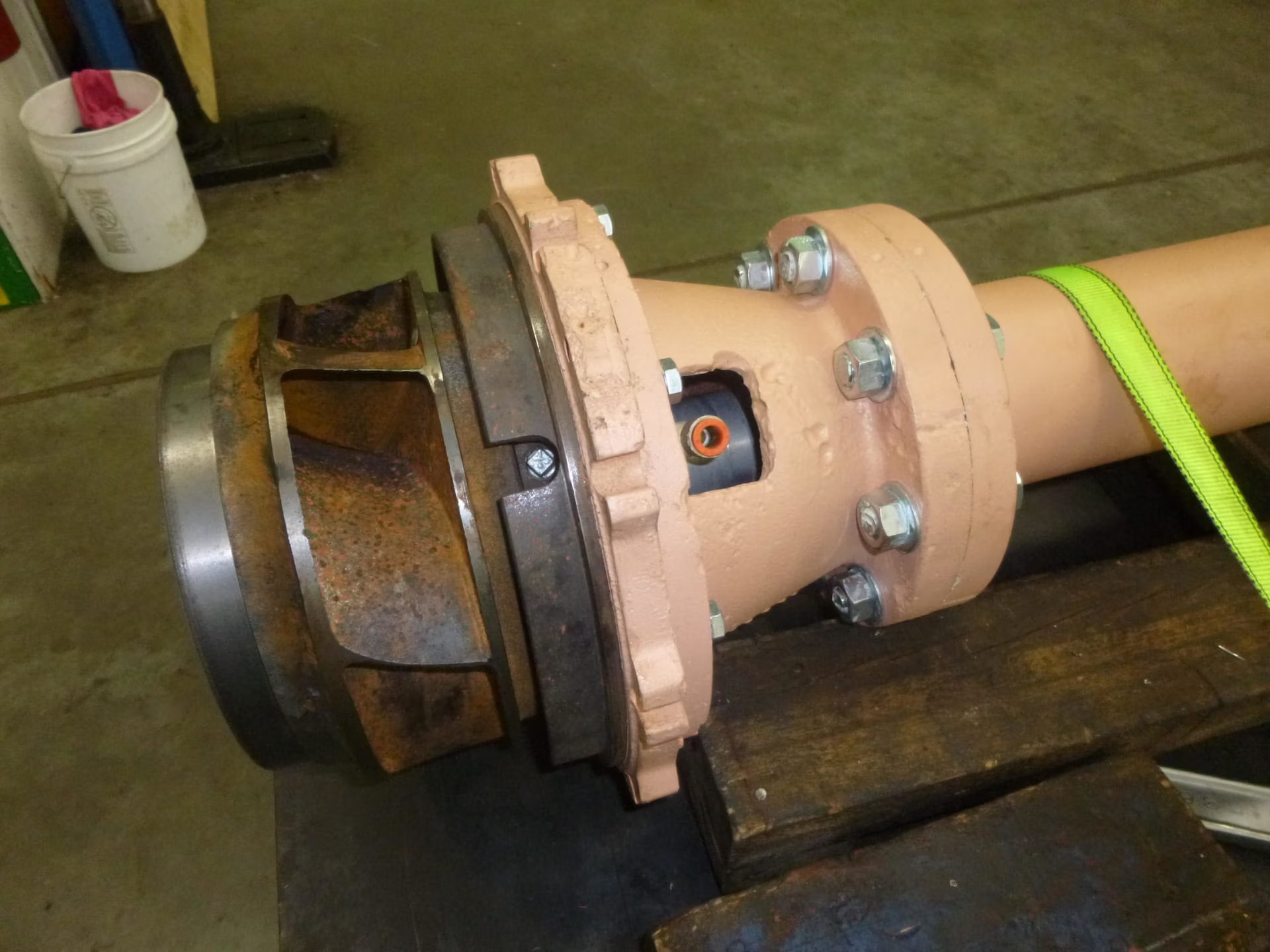
The housing and frame exteriors were grit blasted and bare metal surfaces treated to arrest further corrosion. New drive shaft support bearings were manufactured in-house by Qualtex machinists. Impeller wear rings were renewed and re-machined to restore correct running clearances. Drive shafts and impellers were dynamically balanced to ISO G1 specification — the most demanding balancing grade for rotating assemblies of this type.
Following reassembly and testing, all three units were transported back to their respective sites and reinstalled.
The Outcome
All three pumps were returned to service in overhauled condition at a cost well below new replacement. The work extended the useful life of existing infrastructure while restoring each unit to proper specification — correct clearances, new bearings, treated surfaces, and precision-balanced rotating assemblies. For assets serving critical water supply infrastructure, that combination of reliability and cost efficiency represents exactly the right outcome.